
Managing patient care in modern healthcare facilities involves more than just providing treatment. Facilities must balance clinical excellence with operational efficiency, legal compliance, and patient satisfaction. With growing complexity in healthcare delivery, administrators and staff are often challenged to coordinate multiple services, manage risk, and maintain regulatory compliance.
Healthcare facilities must integrate medical, dental, and emergency services while ensuring that legal protections are in place for both patients and staff. This includes maintaining accurate records, managing specialized staff, handling emergencies, and navigating legal frameworks. Proper planning and execution are key to ensuring that patients receive high-quality care while minimizing risks and operational disruptions.
This article provides a comprehensive guide to how healthcare facilities can effectively manage patient care and legal concerns. It offers actionable strategies for staff, administrators, and facility managers to enhance patient outcomes while staying compliant with regulations and mitigating legal risks.
Streamlining Diagnostic Processes for Accuracy

Laboratory testing is a cornerstone of modern healthcare. Accurate and timely diagnostics inform treatment decisions, reduce errors, and improve patient outcomes. Facilities that invest in robust laboratory processes can prevent delays in diagnosis and ensure that interventions are evidence-based. Beyond simply running tests, effective laboratory management requires a comprehensive approach that considers workflow efficiency, quality assurance, and integration with other clinical services. Delays or errors in lab results can lead to misdiagnosis, prolonged hospital stays, and increased healthcare costs, making precision essential not only for patient care but also for operational and legal risk management.
Diagnostic accuracy also hinges on communication between laboratories and clinicians. Results must be interpreted in the context of each patient’s medical history, symptoms, and previous test outcomes. Facilities that leverage digital health platforms can streamline these interactions, ensuring that clinicians receive critical information quickly and can adjust treatment plans without unnecessary delay. In addition, patient education is an often-overlooked aspect; clearly explaining test purposes and outcomes can reduce anxiety and increase adherence to follow-up care.
Best Practices for Optimizing Laboratory Testing
-
Implement standardized testing protocols across all departments to maintain consistency and reduce variability.
-
Use digital systems to track lab results, generate alerts for abnormal values, and automatically notify healthcare providers.
-
Conduct routine quality checks and proficiency testing to ensure that lab results meet both regulatory and clinical standards.
-
Train staff in interpreting results promptly, documenting findings accurately, and communicating them effectively to patients and care teams.
-
Collaborate with external laboratories for specialized tests that require advanced equipment or expertise, ensuring timely and accurate access to results.
-
Integrate laboratory data with electronic health records to create a comprehensive view of patient health and streamline care coordination.
-
Periodically review lab workflows and turnaround times to identify bottlenecks and implement process improvements.
By prioritizing laboratory testing accuracy through these practices, healthcare facilities enhance patient safety, improve clinical outcomes, and reduce the risk of misdiagnosis, which also supports the facility’s compliance and legal protection.
Maintaining Comprehensive Dental Care Services
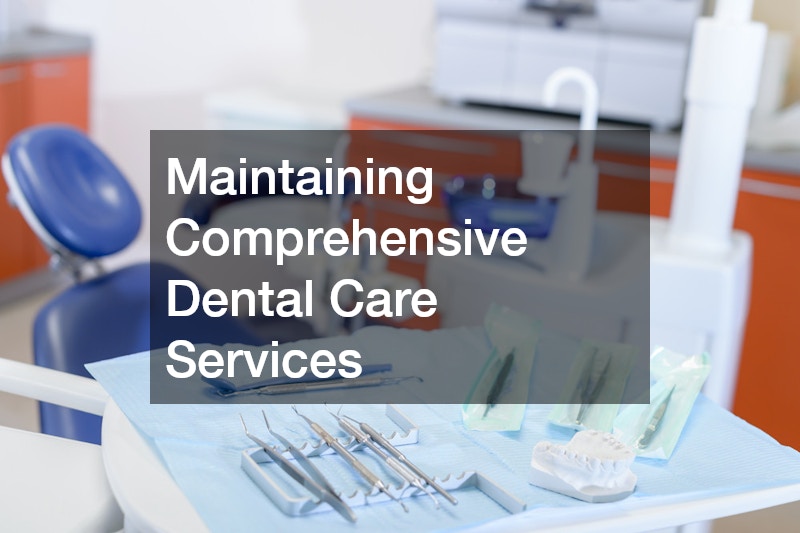
Integrating dental care into overall patient management is essential for promoting oral health and preventing systemic issues. General dentists and pediatric dentists play complementary roles in ensuring patients of all ages receive appropriate care. Oral health is closely linked to overall health; untreated dental problems can contribute to conditions such as cardiovascular disease, diabetes complications, and respiratory infections. By addressing dental care proactively, healthcare facilities can improve patient outcomes while reducing long-term healthcare costs.
Comprehensive dental programs go beyond routine checkups. Facilities that combine preventive, restorative, and emergency dental services can better meet the diverse needs of their patient population. Pediatric dentists, in particular, play a critical role in early intervention, helping children develop healthy oral habits and preventing issues that could persist into adulthood. Coordinating care between general dentists, pediatric dentists, and other medical specialists ensures a holistic approach that benefits both patient health and operational efficiency.
Patient education is another key component. Many dental problems are preventable through proper oral hygiene, nutrition, and regular monitoring. Facilities that provide clear guidance and resources for patients—ranging from in-office demonstrations to digital educational materials—can empower individuals to take charge of their oral health.
Strategies for Optimizing Dental Services
-
Schedule routine dental and pediatric dental checkups as part of a broader preventive health program to catch issues early.
-
Maintain digital dental records to track patient history, monitor treatment plans, and ensure seamless communication between providers.
-
Coordinate with specialized dentists for complex procedures, emergency care, or referrals, ensuring continuity and comprehensive treatment.
-
Educate patients on oral hygiene practices, nutritional choices, and preventive strategies to reduce the risk of dental complications.
-
Develop outreach programs for children and families to promote early dental visits, preventative care, and long-term oral health awareness.
-
Implement patient reminder systems to reduce missed appointments and improve adherence to recommended care schedules.
-
Conduct regular reviews of dental service workflows to identify areas for efficiency improvement and quality assurance.
By maintaining comprehensive dental services and emphasizing preventive care, healthcare facilities support overall patient health, reduce avoidable complications, and minimize potential legal risks associated with neglected oral care.
Recruiting and Retaining Specialized Medical Staff
Attracting and retaining specialized healthcare professionals is critical for delivering high-quality care. Focused physiatry recruitment ensures that rehabilitation and mobility-related services are available to patients who need them most. Beyond physiatry, many facilities require a range of specialists—such as cardiologists, neurologists, and surgical subspecialists—to provide comprehensive care. Shortages in specialized staff can lead to delayed treatments, reduced patient satisfaction, and increased operational stress on existing teams.
Retention is just as important as recruitment. Healthcare facilities that invest in professional development, mentorship, and a supportive workplace culture are more likely to maintain skilled staff over the long term. Additionally, specialized staff require access to ongoing training and certifications to stay current with evolving clinical guidelines and technologies. Facilities that provide these opportunities not only improve patient care but also foster loyalty among employees.
Structured recruitment strategies and proactive retention efforts also help mitigate liability risks. Staff shortages or insufficient training can contribute to errors in patient care, increasing the facility’s legal exposure. By building a robust team of qualified professionals, healthcare facilities enhance both clinical outcomes and operational resilience.
Strategies for Building a Skilled and Stable Workforce
-
Create clear and detailed job descriptions emphasizing patient-centered care, professional growth, and specific role responsibilities.
-
Offer competitive salaries, benefits packages, and continuing education opportunities to attract and retain top talent.
-
Implement mentorship and structured training programs to help staff grow professionally and feel supported in their roles.
-
Conduct regular performance reviews, solicit feedback, and recognize achievements to maintain a positive and motivating work environment.
-
Develop partnerships with local training programs, universities, and residency programs to maintain a pipeline of qualified professionals.
-
Foster a culture of collaboration and open communication to improve teamwork, job satisfaction, and retention.
-
Provide flexible scheduling or wellness programs to reduce burnout and ensure long-term staff engagement.
Effective recruitment and retention of specialized medical staff reduce staffing gaps, improve patient outcomes, and minimize liability risks associated with inadequate or delayed care, positioning the facility as a leader in quality healthcare delivery.
Reducing Legal Risks Through Proactive Planning

Healthcare facilities face a wide array of legal risks, ranging from medical errors and malpractice claims to regulatory non-compliance and patient disputes. Even minor oversights in documentation, communication, or procedural adherence can escalate into costly legal challenges. By adopting a proactive approach to legal risk management, facilities can protect both patients and staff, reduce liability exposure, and maintain a reputation for safe, reliable care.
Partnering with a medical malpractice attorney is an essential component of this proactive approach. Legal experts can guide administrators in developing comprehensive policies, reviewing compliance with local and federal regulations, and implementing procedures that minimize the risk of errors. Beyond policy, facilities must also invest in staff education, ensuring that all team members understand legal obligations, documentation standards, and the correct steps to take when incidents occur.
Proactive planning is not limited to prevention; it also involves preparation for potential incidents. Scenario-based training and clear reporting mechanisms help staff respond efficiently to unexpected events, ensuring that patient care continues uninterrupted while protecting the facility from legal exposure. By fostering a culture of transparency and accountability, healthcare organizations can improve operational resilience and patient trust.
Key Measures to Minimize Legal Risks
-
Conduct regular compliance audits to identify potential operational and legal vulnerabilities before they escalate.
-
Train staff on documentation best practices to ensure patient interactions, procedures, and outcomes are recorded accurately and comprehensively.
-
Review and update facility policies regularly in consultation with medical malpractice attorneys to remain aligned with changing laws and regulations.
-
Provide scenario-based training for staff to simulate potential incidents, emergencies, or legal challenges.
-
Establish a transparent system for handling complaints or concerns raised by patients, families, or staff, ensuring swift and fair resolution.
-
Encourage open communication between departments and legal advisors to identify risks and implement solutions collaboratively.
-
Monitor incident reports and near-misses to track trends and proactively adjust procedures.
By implementing these strategies, healthcare facilities not only protect themselves from legal repercussions but also create a safer, more accountable environment for patients and staff, reinforcing trust and ensuring high standards of care.
Managing Pet-Related Healthcare Emergencies
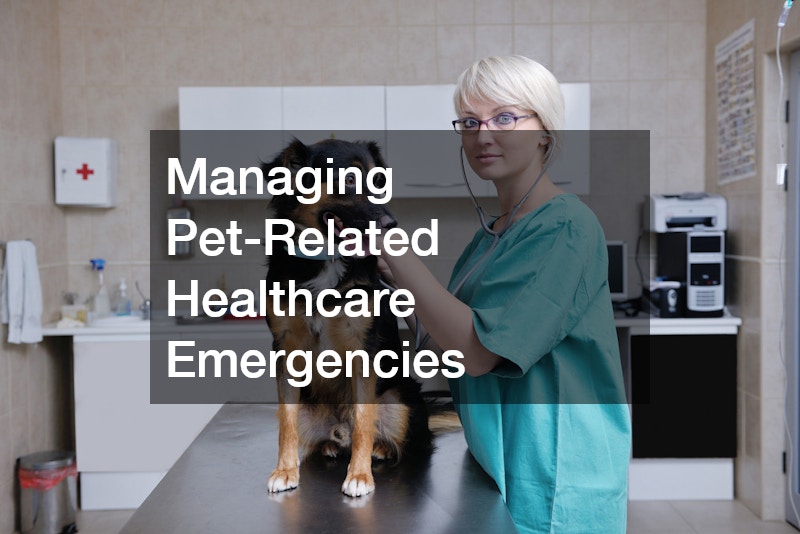
Some healthcare facilities incorporate animal-assisted therapy programs or allow staff to bring pets for wellness initiatives, recognizing the therapeutic benefits that animals can provide for patients. Animals can help reduce stress, provide emotional support, and even assist in certain rehabilitation programs. However, integrating animals into a healthcare environment introduces unique safety and health considerations. Preparing for pet-related incidents is essential to ensure the safety of all patients, staff, and animals, while maintaining compliance with health and safety regulations.
Potential risks include bites, scratches, allergic reactions, or the spread of zoonotic diseases. Facilities must account for these possibilities in their emergency planning to prevent disruption to patient care. Additionally, therapy animals may sometimes require specialized handling, particularly if patients have mobility issues, compromised immune systems, or other medical sensitivities. Facilities that develop clear protocols and train staff on safe interactions can maximize the therapeutic benefits of animals while minimizing risks.
Proactive preparation also includes collaboration with local experts. Partnering with pet urgent care providers ensures timely medical attention for animals if accidents occur on-site. Regular monitoring and sanitation of areas where animals are present help prevent contamination and maintain a clean, safe environment. Educating both patients and staff on safe practices ensures that animal-assisted programs remain beneficial without compromising safety.
Effective Measures for Pet Safety and Preparedness
-
Develop emergency protocols for pet-related injuries or incidents, including immediate response steps and reporting procedures.
-
Train staff to recognize zoonotic diseases, understand animal behavior, and implement infection control measures.
-
Collaborate with local pet urgent care providers for emergencies involving therapy animals or pets brought by patients or staff.
-
Maintain strict sanitation and safety standards in all areas where animals are present, including therapy rooms and public spaces.
-
Educate patients and staff on proper handling, supervision, and safe interactions with animals within the facility.
-
Monitor therapy animals’ health regularly and maintain up-to-date vaccinations to prevent disease transmission.
-
Establish clear communication guidelines for staff, patients, and families to report concerns or incidents related to animals.
By implementing these measures, healthcare facilities can safely incorporate animal-assisted programs, reduce the risk of incidents, and ensure that both patients and staff benefit from interactions with animals without compromising safety or compliance.
Supporting Patients with Legal and Financial Needs
Patients may encounter situations that require legal assistance beyond their medical treatment, such as personal injury claims or estate planning. Providing access to trusted resources helps patients navigate these challenges while maintaining focus on their health.
Actionable Strategies:
-
Offer information about reputable personal injury law firms for patients affected by accidents.
-
Provide access to estate planning attorneys for patients managing long-term health and financial planning.
-
Conduct workshops or informational sessions on patient rights, insurance navigation, and legal protections.
-
Collaborate with local legal experts to answer patient questions and provide consultations.
-
Integrate legal support into care coordination programs to reduce patient stress and improve outcomes.
Facilities that consider both medical and legal support can strengthen patient trust and enhance overall satisfaction.
Handling Accidents and Local Legal Matters
Accidents can occur both within and outside the facility. Having relationships with local accident attorneys ensures that patients receive timely advice and support for legal claims related to injuries.
Actionable Strategies:
-
Maintain a referral network of local accident attorneys for patients experiencing accidental injuries.
-
Ensure detailed documentation of all incidents, including witness statements, timelines, and medical reports.
-
Educate patients on navigating local legal processes and claim filing.
-
Provide staff training on reporting protocols to capture accurate and legally defensible information.
-
Coordinate with insurers and legal representatives to expedite claim processing and resolution.
By facilitating legal support for accident cases, healthcare facilities protect patients’ rights while demonstrating professionalism and responsibility.
Ensuring Efficient Medical Inventory and Resource Management
Effective inventory management is essential for maintaining uninterrupted patient care. Medical inventory tracking ensures that medications, equipment, and supplies are available when needed, reducing delays and errors.
Actionable Strategies:
-
Implement digital tracking systems to monitor the status of medications, devices, and critical supplies.
-
Conduct regular audits to verify inventory levels and expiration dates.
-
Train staff to report shortages, damages, or discrepancies promptly.
-
Establish automated reordering protocols to prevent supply gaps.
-
Coordinate with vendors to maintain reliable delivery schedules and quality standards.
Efficient inventory management not only supports clinical care but also minimizes legal risks associated with errors or lack of necessary resources.
Healthcare facilities operate in a complex environment that requires careful coordination of medical, administrative, and legal functions. By streamlining diagnostic processes, integrating dental services, recruiting specialized staff, proactively addressing legal risks, preparing for emergencies, and maintaining inventory systems, facilities can deliver high-quality patient care while minimizing operational and legal challenges.
Addressing both medical and legal needs ensures patient safety, enhances satisfaction, and builds trust within the community. By implementing the actionable strategies outlined above, healthcare administrators can create a facility that is efficient, compliant, and capable of meeting the diverse needs of its patients.
