In recent years, in-home health care services have gained tremendous popularity as a viable alternative to traditional health care settings. Unlike hospital-based care, in-home health services allow patients to receive medical attention in the comfort of their own homes. This method has proven beneficial, especially for the elderly or those with chronic illnesses, by enhancing their quality of life. The flexibility and personalized attention provided through this model of care make it an attractive option for many families. Consequently, there has been an increase in demand for skilled health care professionals willing to step into this emerging field.
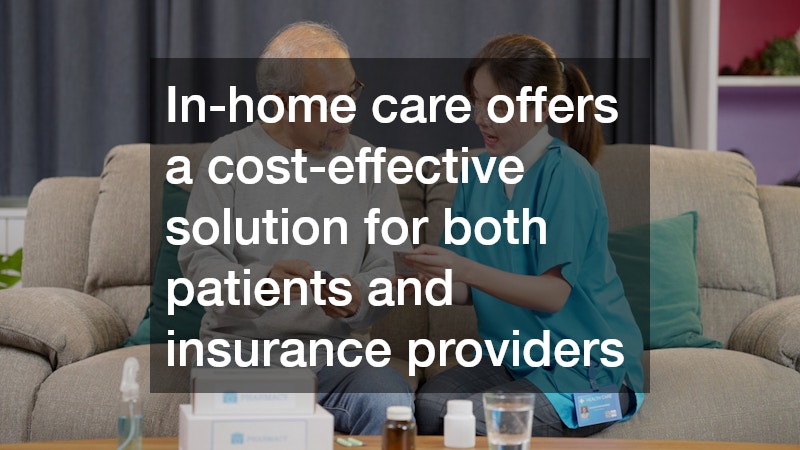
The rise in-home health care services can be attributed to several socio-economic factors. With an aging population overwhelming health care facilities, an increased focus on reducing health care costs has become paramount. In-home care offers a cost-effective solution for both patients and insurance providers, as it significantly reduces hospital stays and associated expenses. Moreover, technological advancements have facilitated this shift, enabling remote monitoring and telehealth services that support in-home care. This has led to greater accessibility and confidence in receiving quality care outside traditional settings.
Another driving force behind the surge in home health care services is the growing preference for personalized care. Many families are seeking tailored health care solutions that cater to the specific needs of their loved ones, ensuring comfort and dignity. Caregivers working in in-home settings can devote more time to patients, often forming stronger relationships and understanding individual needs better than in busy hospitals. This personalized attention not only improves health outcomes but also enhances patient satisfaction. As a result, the industry is experiencing sustained growth, adapting to cater to an ever-evolving consumer demand.
Benefits of In-Home Health Care Services
The benefits of in-home health care services extend beyond just convenience and comfort. Primarily, it allows patients to maintain a sense of independence that they might lose if domiciled in a nursing facility. Personalized home care plans can be developed to assist patients with daily activities while allowing them to remain actively engaged in their hobbies and social interactions. These factors contribute significantly to emotional and mental well-being. Studies have shown that patients recovering at home tend to heal faster and exhibit fewer complications than those who remain confined in hospital rooms.
In-home care also offers a significant reduction in the risk of infections that are a common concern in hospitals and nursing homes. With a health care professional visiting a patient’s home, the exposure to well-known pathogens present in medical facilities is markedly reduced. Patients can heal in a safe, familiar environment while avoiding the stress and risk related to a hospital stay. Additionally, the customized care delivered at home often results in more comprehensive monitoring, swiftly addressing potential health issues before they escalate. This proactive approach is crucial in maintaining overall health stability, especially for those with chronic conditions.
Moreover, in-home health care provides much-needed respite for family caregivers who might otherwise be overwhelmed by the responsibilities of caring for a loved one. Professional caregivers can provide expert medical care and assistance with daily tasks, allowing family members to take breaks and reduce stress levels. This helps in maintaining healthy family dynamics, reducing caregiver burnout, and ultimately ensuring better care for the patient. In essence, in-home health care serves as an extension of family support, fostering a more balanced and harmonious caregiving environment.
Challenges and Future of In-Home Health Care Services
Despite its benefits, in-home health care services are not without their challenges. A major hurdle is the potential shortage of skilled workers to meet the rising demand. Training and retaining qualified health care professionals who are adept at providing in-home services is crucial. Factors such as geographic location and reimbursement rates also play significant roles in the availability and quality of care. Addressing these issues requires strategic policy changes and investment into health care education to ensure a steady pipeline of skilled professionals.
Another challenge is the integration of technology in delivering seamless in-home health care. Although telehealth has made remarkable strides, ensuring that both patients and health care providers can navigate digital tools effectively remains a concern. Safeguarding patient data and maintaining privacy is also paramount to the successful implementation of tech-driven health solutions. As the industry continues to evolve, stakeholders must collaborate to bridge gaps in technology and training, ensuring that solutions are user-friendly, reliable, and secure. As this integration progresses, it will further solidify in-home care as a mainstream option.
Looking to the future, the evolution of in-home health care services seems promising. As more individuals become informed about this viable health care alternative, innovation in services and technology will continue to bolster the industry. Encouragingly, there are ongoing efforts to standardize care protocols, improve caregiver support, and enhance patient outcomes through tailored interventions. The focus remains on sustainability and scalability, ensuring that in-home health care services are accessible to all who need them. With continuous improvements, this model holds the potential to redefine the landscape of health care delivery profoundly.