
Recognizing the right time to enlist home health care can significantly impact the quality of life for individuals who need it and their families. Home health care encompasses a range of services provided in a person’s home, aimed at promoting health through medical, supportive, or companionship services. Understanding when this support is necessary is crucial to ensure that individuals receive adequate care and attention in familiar surroundings.
Understanding the Role of Home Health Care
Home health care is designed to assist individuals who require medical or non-medical services within the comfort of their own homes. This type of care is tailored to meet the unique needs of each patient, whether they seek medical supervision or assistance with daily activities.
By choosing home health care, patients maintain a sense of independence while receiving necessary support, promoting both physical and mental well-being.
Home health care professionals include nurses, therapists, and aides who provide a wide range of services. These can include wound care, medication management, physical therapy, and help with personal care tasks like bathing and dressing. The variety and flexibility of services ensure that patients receive personalized care based on their specific circumstances, making home health care a viable alternative to institutional settings like nursing homes.
Another crucial aspect of home health care is its ability to support family caregivers, offering them respite and ensuring that their loved ones are in competent hands. Family members often bear a significant caregiving burden, which can lead to stress and fatigue. Utilizing home health care services can alleviate some of this pressure, allowing families to focus on enjoying quality time with their loved ones rather than constant caregiving responsibilities.
Signs That Home Health Care May Be Needed
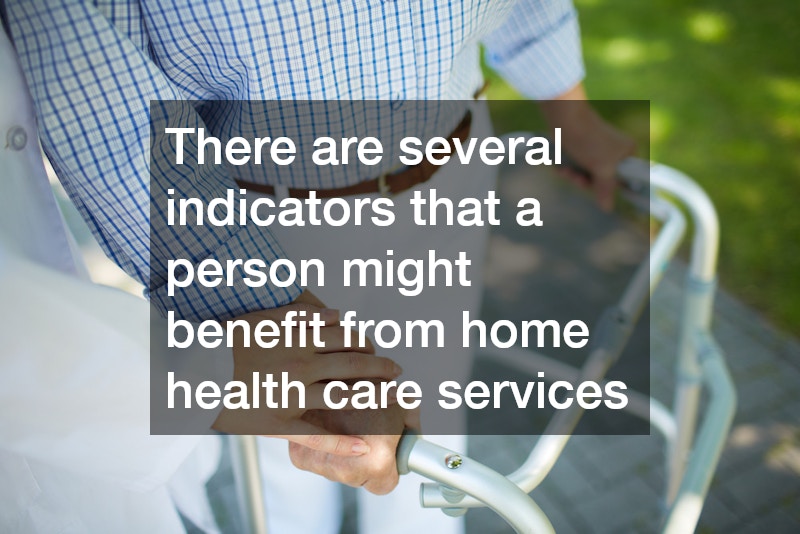
There are several indicators that a person might benefit from home health care services. One of the primary signs is a noticeable decline in the individual’s ability to perform activities of daily living, such as dressing, bathing, or managing medications. As these daily tasks become more challenging, the risk of accidents and health deterioration increases, necessitating professional intervention.
Additionally, frequent hospitalizations or recurring health issues may indicate the need for home health care. Patients recovering from surgeries or managing chronic illnesses often benefit from the continuous support that home health care provides. By having professionals monitor their health status and implement the necessary interventions, patients can reduce the likelihood of hospital readmissions and improve their recovery outcomes.
Cognitive changes, such as memory loss or confusion, can also signify the need for home care services. Individuals experiencing these symptoms may struggle to remember critical medical instructions or miss taking prescribed medications. Home health care professionals can help manage these challenges, ensuring medical adherence and patient safety while easing the burden on family members who may not have the expertise to address these issues effectively.
The Benefits of Home Health Care
One of the primary advantages of home health care is the personalized attention and one-on-one care that patients receive. In a home setting, healthcare professionals can focus specifically on an individual’s needs, allowing them to develop a comprehensive understanding of the patient’s health status, preferences, and lifestyle. This individualized attention can lead to more accurate assessments and tailored care plans, enhancing the overall quality of care.
Home health care also preserves the patient’s sense of autonomy, which is often compromised in institutional environments. Being able to stay in their own home surrounded by familiar possessions and routines can significantly impact a patient’s mental and emotional health. It provides a comforting and empowering environment that supports healing and boosts morale, potentially leading to better health outcomes.
Finally, home health care offers cost-effective solutions compared to hospital or nursing home stays. Providing care at home reduces overhead costs associated with institutional settings and often results in fewer complications. The focus on preventive measures and continued care in a familiar setting often leads to improved recovery rates and reduced hospital readmissions, making it an economically attractive option for many families.
Making the Decision
Deciding when to seek out home health care is a critical decision that requires careful consideration of various factors, including the patient’s health status, level of independence, and the support system available from family and friends. Open communication between the patient, family, and healthcare providers can help identify the right timing and level of care necessary. This collaborative approach ensures that decisions are made in the best interest of the patient’s well-being and overall quality of life.
Understanding the benefits of home health care and recognizing early signs that indicate a need for additional support can lead to timely interventions that enhance a patient’s life. By planning and implementing home health care services promptly, families can avoid crisis situations and promote more positive health outcomes. Early engagement in home health care often results in higher patient satisfaction and contributes significantly to maintaining a higher quality of life.
Ultimately, home health care provides an essential layer of support for patients facing various health challenges. It empowers them to live comfortably and safely in their homes while receiving professional care tailored to their needs. As families navigate the complexities of providing care for aging or ill loved ones, home health care can offer the peace of mind and assurance that comes with knowing their loved ones are well-cared for.