

Key Takeaways
- Stay hydrated with water, broth, soup, and other fluids, especially when fever, vomiting, or diarrhea causes fluid loss.
- Choose easy-to-tolerate foods such as oatmeal, toast, rice, bananas, and potatoes when your appetite is low.
- Include protein from foods such as eggs, yogurt, chicken, fish, beans, or tofu to support normal body functions.
- Eat smaller meals and snacks throughout the day instead of forcing yourself to eat large portions.
- Adjust foods based on your symptoms, choosing soft foods for sore throats and gentle options when experiencing nausea.
- Limit foods and drinks that may worsen symptoms, including greasy meals, alcohol, and foods that irritate your throat or stomach.
- Return gradually to a balanced, varied diet as your appetite and energy improve.
When you are sick, food may be the last thing on your mind. A stuffy nose, sore throat, upset stomach, fever, or tiredness can make even your favorite meal seem unappealing. Still, giving your body enough fluids and nutrients can help support normal recovery and keep you from becoming weaker while you heal.
You do not need a special diet every time you get sick. In most cases, the best approach is to choose simple foods that are easy to tolerate and provide fluids, carbohydrates, protein, vitamins, and minerals. Your needs may also change depending on your symptoms.
For example, someone with a sore throat may prefer soft foods, while someone with nausea may do better with small, bland meals. If you have diarrhea or vomiting, replacing lost fluids becomes especially important.
Here are practical foods and eating habits that can help you stay nourished while your body recovers.
Start With Plenty of Fluids
Fluids are often more important than solid food when you are sick.
Fever, sweating, vomiting, and diarrhea can increase fluid loss. Even when you do not have these symptoms, you may drink less because you feel tired or have little appetite.
Water is a simple choice, but you can also get fluids from:
- Broth
- Soups
- Herbal tea
- Milk
- Diluted fruit juice
- Water-rich fruits
- Oral rehydration solutions when appropriate
Take small, frequent sips if drinking a full glass feels difficult.
If you are vomiting, drinking too much at once may make nausea worse. Small amounts taken regularly may be easier to tolerate.
For significant fluid loss caused by vomiting or diarrhea, an oral rehydration solution can help replace both fluids and important electrolytes. These products are designed to provide a balance of water, salts, and glucose.
Choose Warm Soups and Broths
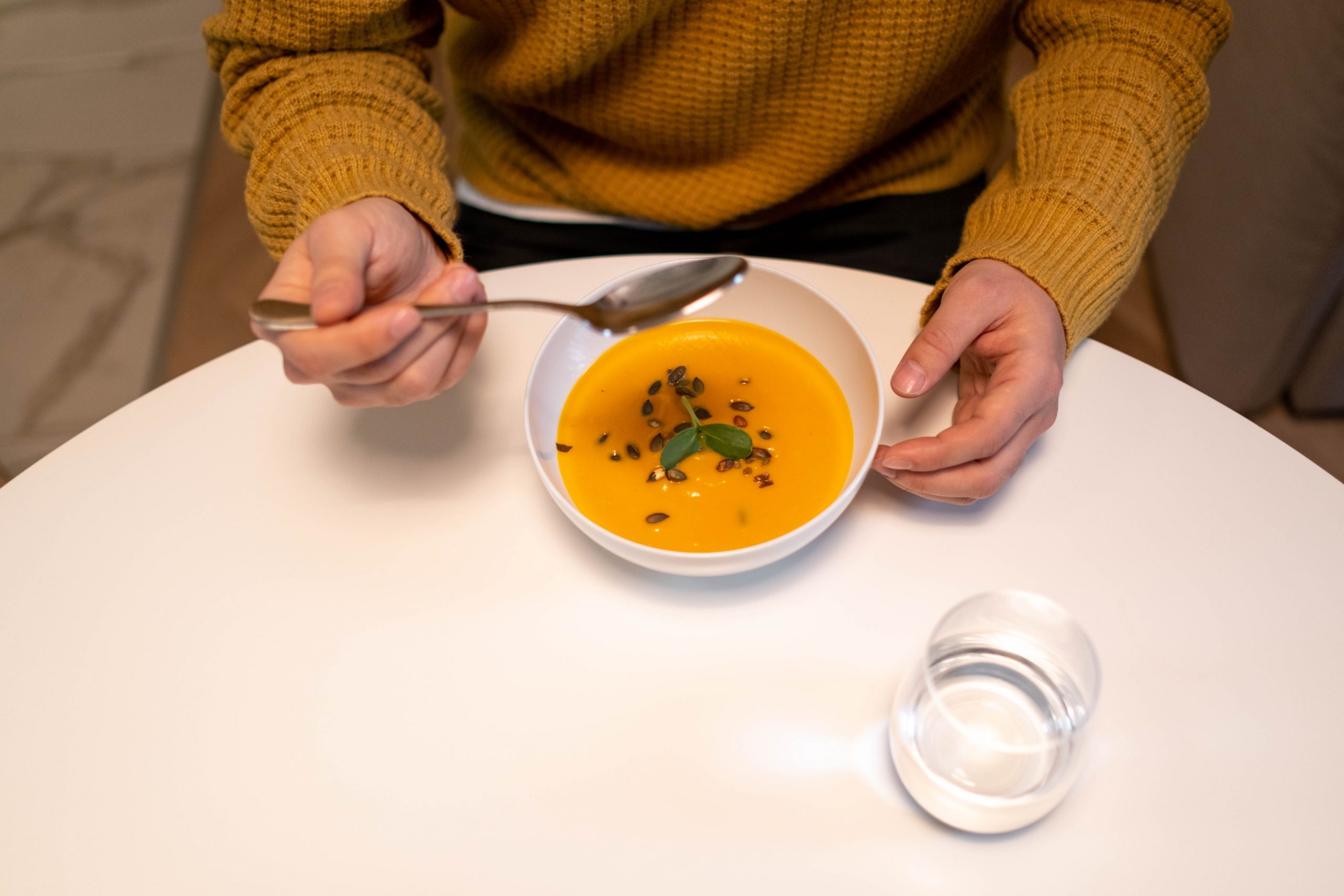
Soup is a classic sick-day food for a good reason.
A warm bowl of soup can provide fluids while also delivering calories and nutrients. Chicken soup, vegetable soup, lentil soup, and other simple varieties can be useful choices.
Warm liquids may also feel soothing when you have a sore throat or congestion. The steam from a warm meal can temporarily make your nose feel less blocked, although it does not cure an infection.
To make soup more filling, add ingredients such as:
- Chicken or turkey
- Beans or lentils
- Rice
- Potatoes
- Carrots
- Squash
- Noodles
- Leafy greens
Try not to make every meal extremely salty. A balanced soup can provide nutrition without relying on large amounts of sodium.
Eat Easy-to-Digest Carbohydrates
Carbohydrates provide energy, which your body needs even when you are resting.
If your appetite is low, simple carbohydrate-rich foods may be easier to eat than heavy meals.
Good options include:
- Toast
- Crackers
- Rice
- Oatmeal
- Potatoes
- Pasta
- Bananas
- Applesauce
These foods can be especially useful when nausea or an upset stomach makes richer foods difficult to tolerate.
You do not have to follow a very restrictive diet just because you are sick. Once your appetite returns, gradually move back toward a balanced diet that includes protein, fruits, vegetables, whole grains, and healthy fats.
Include Protein When You Can
Protein helps maintain muscles and supports many normal processes in the body.
When you are sick, it can be easy to eat mostly toast, crackers, or other carbohydrates. These foods can provide energy, but adding protein can make meals more balanced.
Try foods such as:
- Eggs
- Greek yogurt
- Cottage cheese
- Chicken
- Turkey
- Fish
- Tofu
- Beans
- Lentils
- Nut butter
If chewing feels difficult because of a sore throat, softer choices such as scrambled eggs, yogurt, tofu, or smooth nut butter may be easier.
You do not need to eat a large serving. A small amount of protein with several meals or snacks can be more manageable when your appetite is low.
Try Oatmeal for a Gentle Breakfast
Oatmeal is a flexible option when you do not feel well.
It is soft, easy to prepare, and provides carbohydrates and fiber. You can make it with water or milk depending on what you tolerate.
Add a banana, applesauce, or a small amount of nut butter for extra flavor and nutrients.
If your stomach is sensitive, keep the portion small at first. You can always eat more later if you feel comfortable.
Other soft breakfast options include scrambled eggs, yogurt, toast, and cooked cereal.
Eat Fruits That Are Easy to Tolerate
Fruit provides fluids, carbohydrates, and a range of vitamins and minerals.
However, you do not need to force yourself to eat citrus fruit or other acidic foods if you have a sore mouth or throat. Choose fruits based on what feels comfortable.
Good options can include:
- Bananas
- Melons
- Pears
- Applesauce
- Peaches
- Berries
- Cooked apples
Bananas are especially convenient because they are soft and easy to eat. They also provide carbohydrates and potassium.
If your stomach is upset, cooked or mashed fruit may be easier to tolerate than a large serving of raw fruit.
Add Vegetables in Gentle Forms
Vegetables remain an important part of a balanced diet, but you may not want a large raw salad while you are sick.
Instead, try cooked vegetables in forms that are easier to eat.
For example, you can add carrots, squash, potatoes, or spinach to soup. Steamed or roasted vegetables can also work when your appetite improves.
If you are experiencing digestive symptoms, pay attention to how your body responds to high-fiber foods. Some people may temporarily tolerate lower-fiber choices better during certain stomach illnesses.
As you recover, gradually return to your normal variety of vegetables.
Use Yogurt and Other Dairy Foods if They Feel Comfortable
Yogurt can provide protein, calories, and other nutrients in a soft, easy-to-eat form.
Plain or lightly sweetened yogurt can be a good choice when you want something cool and gentle. Greek yogurt can provide more protein than many standard varieties.
However, dairy affects people differently when they are sick. If milk or other dairy products seem to make your symptoms worse, choose alternatives that you tolerate better.
There is no need to force a particular food simply because it is considered a traditional recovery food.
Consider Ginger for Nausea

Ginger is commonly used as a food or beverage when people experience nausea.
You can try ginger tea, fresh ginger added to warm water, or foods containing small amounts of ginger. Some people find it soothing, although it is not a cure for the underlying cause of nausea.
If you are taking medication or have a medical condition, ask a health professional whether concentrated ginger products are appropriate for you.
For severe or persistent nausea, focus first on staying hydrated and seek medical advice when needed.
Choose Honey for a Sore Throat or Cough
Honey can be soothing for a cough and irritated throat.
You can add a small amount to warm tea or water. It can also be eaten on its own.
However, honey should not be given to children younger than 12 months because of the risk of infant botulism.
Honey is also a source of added sugar, so it is best used in moderate amounts.
If you have a persistent cough, breathing difficulty, chest pain, or other concerning symptoms, food remedies should not replace medical care.
Eat Smaller Meals More Often
A large meal can feel overwhelming when you are sick.
Instead of trying to eat three full meals, divide your food into smaller meals and snacks throughout the day.
For example:
Breakfast: Oatmeal with banana
Mid-morning: Yogurt
Lunch: Chicken and vegetable soup
Afternoon: Toast with nut butter
Dinner: Rice, cooked vegetables, and eggs or chicken
You do not have to follow this exact schedule. The point is to make eating manageable.
If you can only tolerate a few bites at a time, eat those bites and try again later.
Do Not Forget About Healthy Fats
Fat provides energy and helps the body absorb certain vitamins.
You may not want greasy or fried foods while you are sick, but that does not mean you need to avoid all fat.
Once your appetite allows, consider foods such as:
- Avocado
- Nut butter
- Olive oil
- Eggs
- Fatty fish
- Nuts and seeds
Use smaller portions if rich foods upset your stomach.
The goal is balance, not forcing yourself to eat foods that make you feel worse.
What to Avoid When You Are Sick
There is no universal list of foods that everyone must avoid. Your symptoms and tolerance matter.
However, some foods may make certain symptoms worse.
If your stomach is upset, you may want to limit:
- Greasy fried foods
- Very spicy meals
- Large heavy meals
- Excessive alcohol
- Large amounts of caffeine
Alcohol is particularly unhelpful when you are trying to stay hydrated and recover.
If you have a sore throat, very acidic or spicy foods may cause additional irritation.
Listen to your body and choose foods that are comfortable rather than forcing yourself to follow a rigid food list.
Think About Nutrition Before You Get Sick
Good nutrition is not something you only need to think about when you have a cold or stomach bug. Building balanced eating habits while you feel well gives your body a steady supply of nutrients.
This is especially useful when planning meals around changing nutritional needs. Broader health planning for women, for example, can include paying attention to balanced meals, hydration, activity, sleep, and individual nutritional needs at different stages of life.
Rather than focusing on one “immune-boosting” food, aim for variety over time. Fruits, vegetables, whole grains, protein foods, and healthy fats all have a place in a balanced eating pattern.
Adjust Your Food Choices to Your Symptoms
The best foods for you can change depending on what you are experiencing.
If You Have a Sore Throat
Choose soft, moist foods such as:
- Soup
- Oatmeal
- Yogurt
- Scrambled eggs
- Mashed potatoes
- Smoothies
- Applesauce
Avoid foods that scratch or irritate your throat, such as very crunchy or spicy foods.
If You Have Nausea
Try small amounts of bland foods.
Toast, crackers, rice, bananas, and oatmeal may be easier to tolerate. Take small sips of fluids rather than drinking a large amount at once.
If You Have Diarrhea
Hydration is especially important. Water and oral rehydration solutions can help replace fluids and electrolytes.
As your appetite returns, gradually eat foods you can tolerate rather than staying on a highly restrictive diet for longer than necessary.
If You Have a Fever
Focus on fluids and foods that provide energy and nutrients without being difficult to eat.
Soup, fruit, oatmeal, yogurt, eggs, and other simple foods can work well.
When to Seek Medical Care
Food can support recovery, but it cannot treat every illness.
Seek medical attention when symptoms are severe, unusual, persistent, or getting worse. Difficulty breathing, confusion, severe dehydration, chest pain, fainting, or other serious symptoms require prompt medical attention.
You should also contact a health professional if you cannot keep fluids down, have signs of significant dehydration, or are concerned about your symptoms.
People with certain medical conditions, older adults, young children, and others at higher risk from infections may need medical advice sooner.
Conclusion
When you are sick, you do not need to eat a perfect diet. Your main goals should be staying hydrated, getting enough energy, and choosing nutritious foods that your body can comfortably tolerate.
Soups, broths, oatmeal, toast, rice, bananas, yogurt, eggs, vegetables, and lean sources of protein can all be useful options. Smaller meals may be easier than large ones, especially when you have nausea or a poor appetite.
Pay attention to your symptoms and adjust your choices accordingly. As you begin to feel better, gradually return to your usual balanced eating pattern.
Most importantly, remember that food is one part of recovery. Rest, fluids, appropriate medical care, and time are also important. By keeping simple, nourishing foods available at home, you can make it easier to take care of yourself when illness leaves you with little energy for cooking.
